
Interior Painting: Bring the Color Back
Your home's interior walls do more than hold color; they shape the feeling of every room. The right paint can make a space feel brighter, calmer, more modern, or more welcoming. But over time, even the best paint jobs begin to show signs of wear.
Interior painting is one of the most effective ways to refresh your home, protect your walls, and completely transform how your space feels. If you've been wondering whether your walls need more than a quick touch-up, here are a few things to consider, along with what it actually costs, and how to think about color once you're ready to commit.

Signs Your Walls Need More Than a Touch-Up
Touch-ups work when damage is small, and the existing paint is still in good condition. But there are times when repainting the entire room is the better option. Here are some common signs it may be time for a full interior repaint.
1. Fading or Uneven Color: Sunlight, age, and daily use can cause paint to fade over time. If certain areas look lighter than others, or patches appear where touch-ups were attempted before, repainting will restore a consistent finish.
2. Scuffs, Scratches, and Marks: High-traffic areas like hallways, kitchens, and living rooms often collect scuff marks, fingerprints, and scratches. When cleaning no longer restores the surface, a fresh coat of paint can bring the walls back to life.
3. Peeling, Cracking, or Bubbling Paint: These issues often signal deeper problems, such as moisture or improper preparation during the original paint job. Addressing them properly usually requires sanding, priming, and repainting, not just covering them up.
4. Outdated Colors: Styles change, and what once felt fresh may now feel dated. If your home still has colors from a previous design trend or homeowner, repainting gives you a chance to create a space that reflects your current style.
5. Repairs to Drywall: Any time drywall repairs are made, from nail holes to larger patches, repainting the area (or the entire wall) ensures a seamless look.

Understanding the Cost of Interior Painting
Many homeowners hesitate to repaint because they're unsure about the cost. The truth is, interior painting isn't one-size-fits-all. Two rooms that look similar at first glance can require very different amounts of time, preparation, and materials, which is why customized pricing takes into account the labor and materials actually needed for your project.
Some of the factors that can affect your interior painting estimate include:
Size of the space: The number and size of rooms being painted affects both labor and the amount of paint needed.
Ceiling height: Taller ceilings may require additional equipment and time to safely complete the work.
Condition of the walls: Walls with holes, cracks, or other damage require patching and preparation before painting. If little or no repair work is needed, less prep time is required.
Furniture in the room: The amount of furniture, and whether it needs to be moved or carefully covered, can add time to the project.
What you're having painted: Painting only the walls is priced differently than a project that includes walls, ceilings, doors, and trim.
Trim and detailed finish work: Certain trimwork may need to be carefully masked and painted. Fine-finish work requires greater precision and can require additional labor.
Paint and materials: The type and quality of paint, primer, and other materials selected are also part of the final investment.
This is why comparing painting estimates based only on the final price can be misleading. Take a closer look at what's actually included. A professional estimate should account for what it will take to properly prepare the space, protect your furniture and belongings, complete the detailed work, and deliver a quality finish.
Once You've Decided to Repaint, the Real Question Is: What Color?
Deciding to repaint is only half the project. The more interesting question, and the one that actually shapes how a room feels, is what color to repaint it.
Look back at homes from past decades, and you'll often see plenty of color: gold, green, blue, orange, red, and bold patterns. Over time, many homes shifted toward whites, grays, beiges, and other neutral shades. Neutrals can create beautiful spaces, but they aren't your only option.
As the days get shorter and we spend more time indoors, it's worth asking: how do you want your home to feel? Color can bring warmth, energy, calm, personality, or even a little fun into a room. You don't have to follow the latest trend. Your home should feel like your home.
What Feeling Do You Want to Create?
Different colors can help create a different experience in a room.
Warm, earthy colors can make a room feel cozy and inviting.
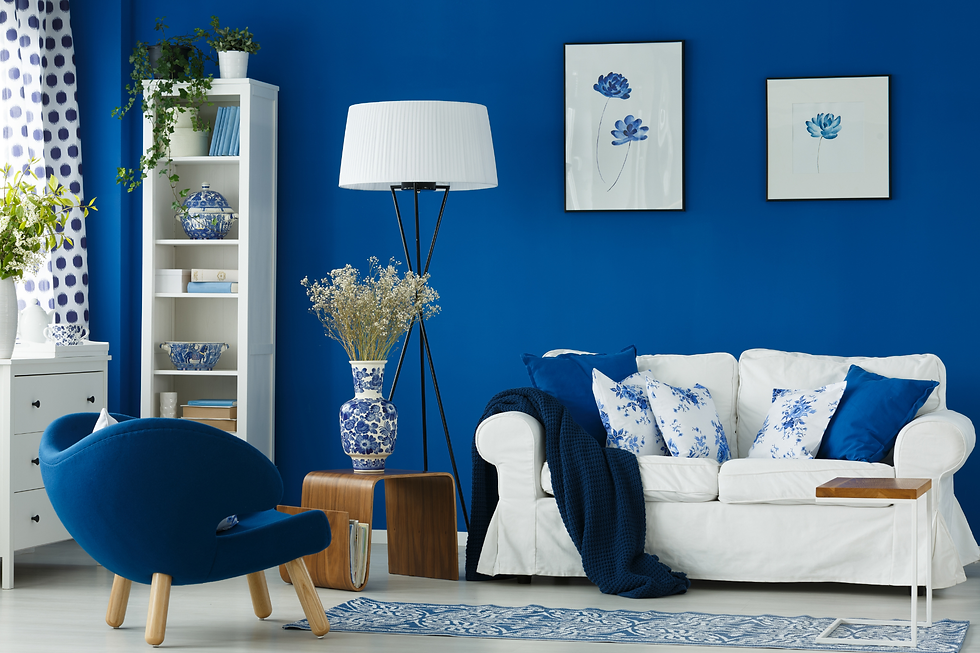
Blues and greens can create a calm, relaxing atmosphere.
Rich, deeper colors can bring warmth, drama, and character.
Bright or playful colors can add energy and personality.
Soft neutrals can still provide a peaceful, timeless backdrop.
And adding color doesn't mean every wall has to make a statement. You can experiment with an accent wall, painted trim, a door, or another feature to bring just enough personality into the room.

Bring Some Color Back Into Your Home
Trends will come and go. At J&J Painting, we're not here to tell you that your home has to be white, beige, gray, or any other color. If you love it, we'll paint it.
Whether you want a quiet neutral bedroom, a deep green office, a colorful family room, or something completely different, our job is to help bring your vision to life with a professional finish. So as you think about repainting your walls, think about the experience you want to create inside them, too. Maybe it's time to bring a little color back home.
Thinking About Refreshing Your Home?
If your walls are showing signs of wear, or you're ready to explore new color possibilities, interior painting may be the upgrade your home needs.
Schedule a free estimate with J&J Painting today, and discover how the right color, preparation, and craftsmanship can completely transform your space.


Comments